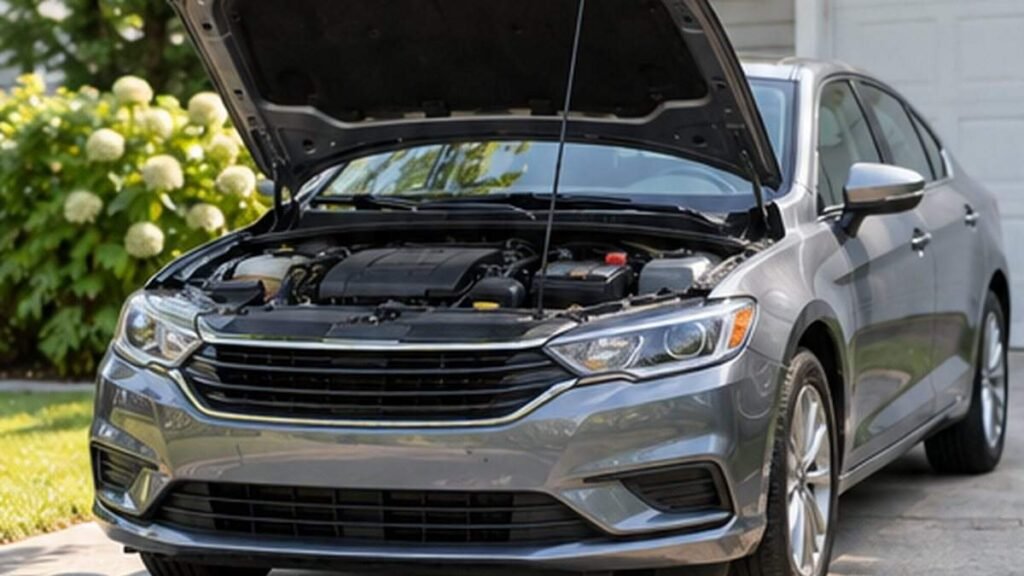
How to Jump-Start a Car Safely
Learn when a jump-start is safe, where to find your car’s approved jump points and what to ask the shop if the battery goes flat again.
Practical car ownership guides for US drivers, from everyday maintenance to in-car technology.
Learn when a jump-start is safe, where to find your car’s approved jump points and what to ask the shop if the battery goes flat again.

Hear rapid clicking or one heavy click when your car won’t start? Learn what to observe, what to test first and how to describe it to a shop.

Use your VIN or owner’s manual to match battery size, terminal layout and chemistry. Compare installation, registration and warranty costs.
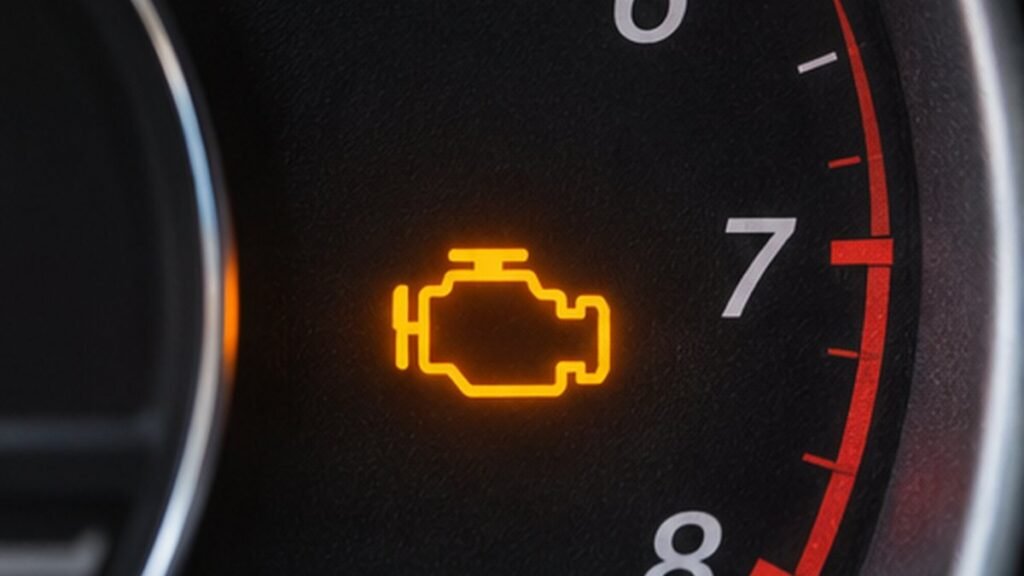
A solid or flashing check engine light can change what you should do next. Learn when to pull over and what information to save for a mechanic.
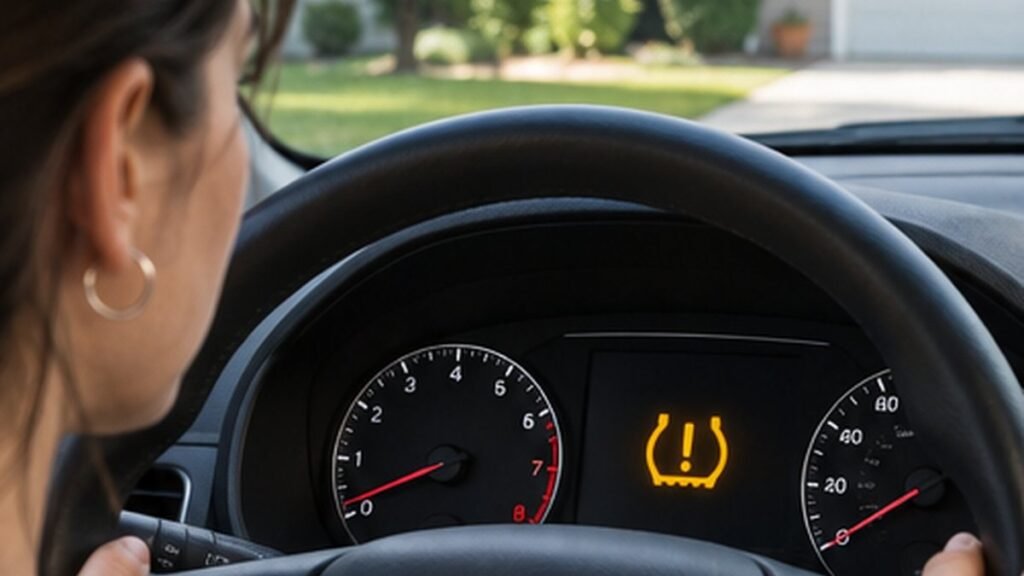
Find your car’s recommended cold tire pressure, check for a leaking tire and learn what a blinking tire pressure warning can mean.
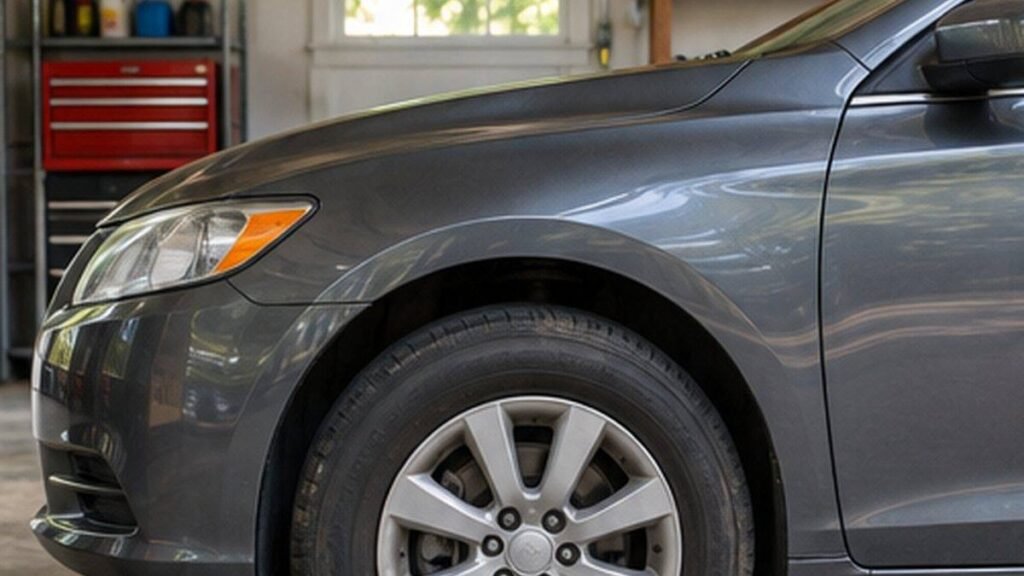
Know when to call roadside help and how to find the correct jack points, wheel hardware and driving limits for your vehicle’s temporary spare.

Compare winter and all-season tires for your commute. Learn what the mountain snowflake means and what to check before buying a seasonal set.

Find the oil change interval for your engine and driving conditions. See how to use mileage, time and an oil-life monitor to plan service.
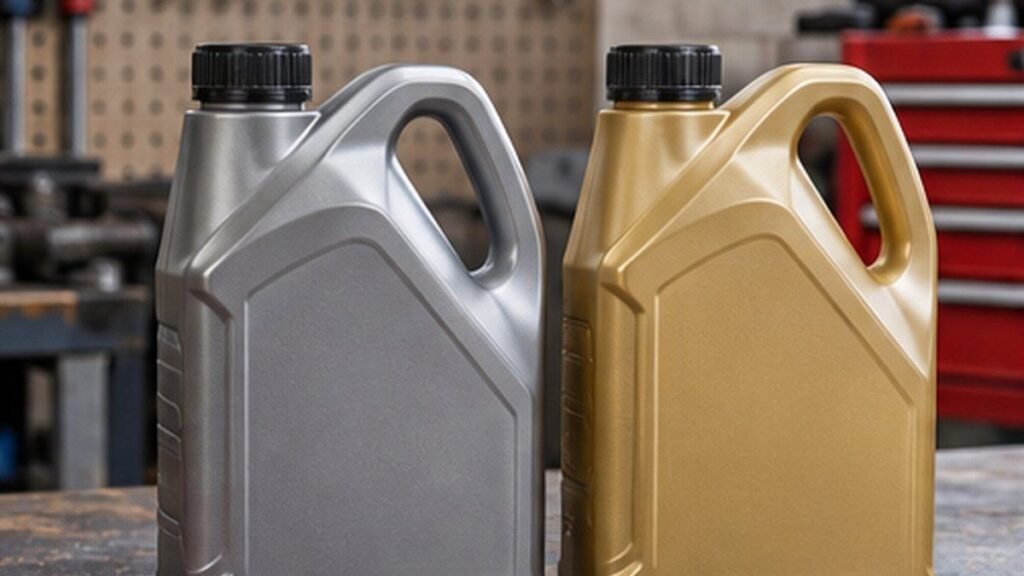
Compare synthetic and conventional oil, check the viscosity and manufacturer approval, and choose a service that follows your car’s schedule.
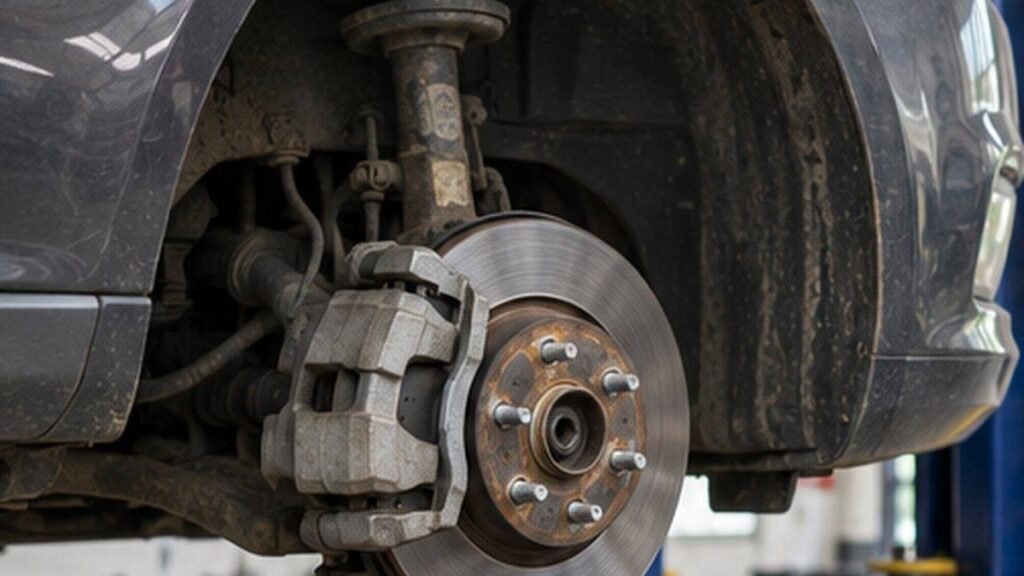
Compare brake pad replacement quotes by axle, labor and parts. See a US price benchmark and what to ask when a shop recommends rotors.

Learn which brake noises need prompt inspection, when to stop driving and how to describe grinding, vibration or weak braking to a technician.
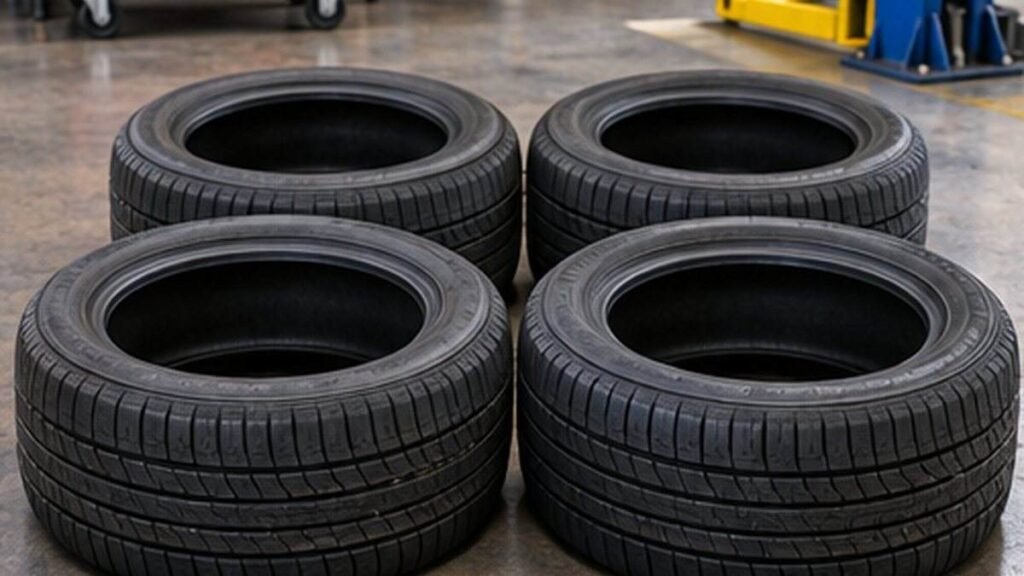
Find your tire rotation interval, check for directional or staggered tires and ask about pressure adjustments and sensor relearns after service.