A jump-start can get a car with a weak 12-volt battery moving again. The safest first step takes no tools: open the owner's manual and find the instructions for your model. Some vehicles use remote terminals, and hybrids and EVs can have different restrictions on supplying or receiving a jump.
| What you see | Best next step |
|---|---|
| Battery case swollen or leaking | Keep clear and call roadside assistance. |
| Manual specifies remote jump posts | Locate both marked points before taking out the cables. |
| No improvement after the approved attempt | Stop and report the result to roadside assistance. |
Make the call before opening the hood
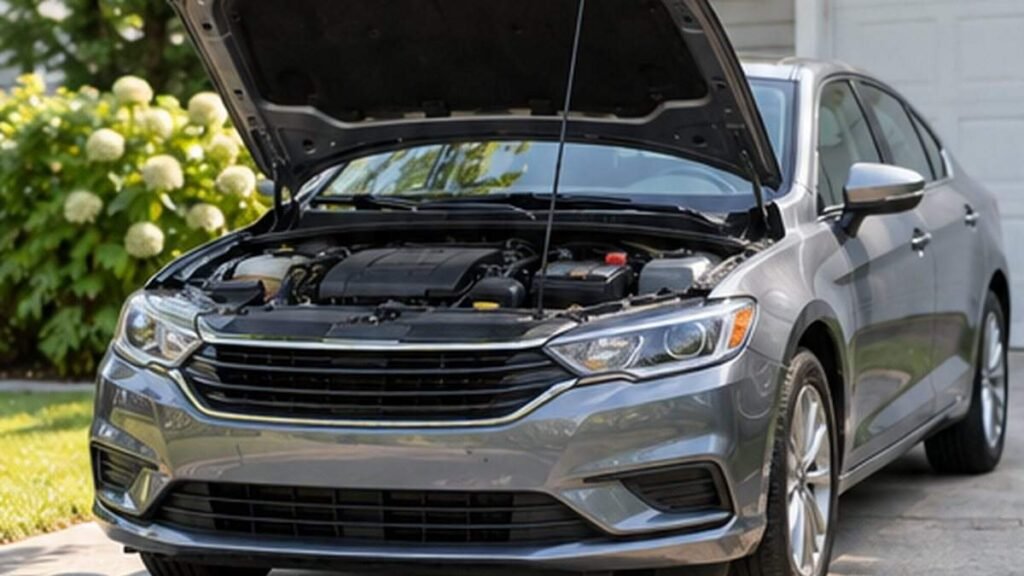
Park somewhere away from moving traffic. If you're on a narrow shoulder, conditions are icy, or you cannot get to the jump points without standing in traffic, call roadside assistance. Skip the attempt if the battery is visibly damaged, swollen, leaking or may be frozen. Keep flames and sparks away and remove loose jewelry.
With a second vehicle, make sure the manual permits the setup and both systems are compatible. The vehicles should be close enough for the leads to reach without touching each other. Set the parking brakes, switch off both vehicles and turn off unnecessary electrical loads. A jump pack has its own instructions, which you should read along with the vehicle manual.
Follow the connection order in your manual
For many conventional 12-volt cars, the usual order is positive on the disabled car, positive on the donor, negative on the donor, then the designated ground on the disabled car. Use the marked jump points and ground location for your specific vehicle. Keep the cables clear of fans, belts and other moving parts. Avoid letting the clamps touch each other or stray metal.
Follow both manuals for when to start each vehicle and how long to wait. If the disabled car won't start after the recommended attempt, stop and get help. Once it starts, disconnect in the reverse order specified by the manual. Keep the clamps separated until every lead is off.
What the result tells you
If the car starts with a jump, it has shown that additional power helped. A discharged battery, aging battery, poor connection or charging-system fault can all lead to that result. Arrange a battery and charging-system test, particularly if the car needed a second jump or displayed a battery warning while running.
Consider two situations. Leaving the cabin lights on overnight gives the shop a useful explanation to test. A car that dies again at the next stop or shows a charging warning presents a different problem. Tell roadside assistance what happened and follow the vehicle's warning instructions before continuing.
Before you drive away
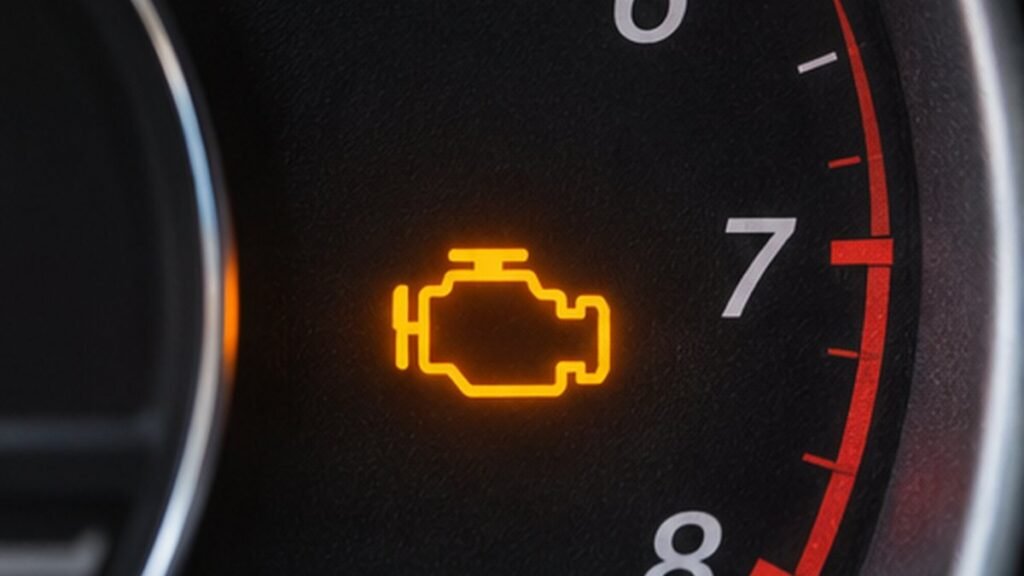
Check that the cables and jump pack are fully disconnected and safely stowed. If the battery warning stays on with the engine running, tell roadside assistance. A successful jump gets the engine started, but the car may stop again if it cannot keep the electrical system powered.
Will the battery recharge on the drive home?
A drive might add some charge, but the result depends on the battery’s condition, how deeply it discharged and whether the charging system works. Ask for a proper recharge and test when the cause is unknown. Follow the owner’s manual if it limits driving after a jump or specifies a battery charger.
Sources
Featured and Web Story visuals are AI-generated editorial illustrations.