Listen to what happens when you try to start the car once. A fast series of clicks often points to insufficient power reaching the starter. A single heavy click can also come from a weak battery or poor connection, or it can point the shop toward the starter circuit. The sound is a clue you can report, and testing settles the cause.
| Starting behavior | What to tell the technician |
|---|---|
| Rapid clicking and dash lights dim | Ask for a battery and cable-connection check. |
| Single click and no crank | Report a single click and whether the lights changed. |
| Normal cranking with no start | Say explicitly that the engine turns over normally. |
Sort the noise before buying parts
Note whether the engine turns over. Rapid clicking with dim interior lights after the car sat overnight makes the battery and connections sensible first checks. A slow, labored crank is another clue worth mentioning. If the engine spins at its usual speed without firing, tell the shop it cranks normally. That changes the diagnosis and a battery swap may leave the car in exactly the same spot.
A single click with bright lights can still be a battery or connection issue. Lights need much less current than a starter. If lights go completely dark when you try to start, note whether they recover afterward. A shop can measure voltage under load and check how much voltage is lost across the cables and grounds.
Make two easy observations
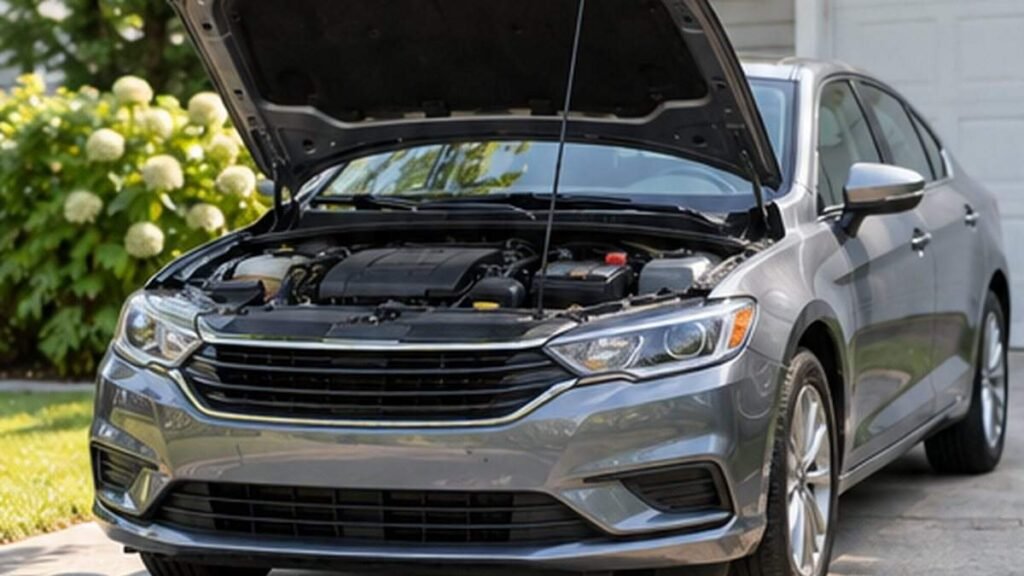
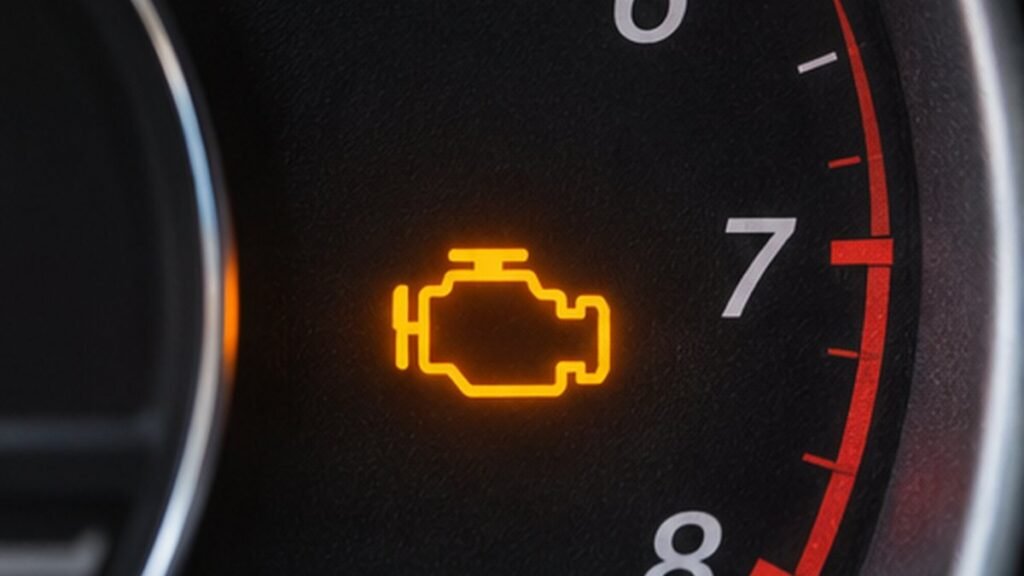
Make sure the vehicle is fully in Park and that the display recognizes the key. Read any key or security warning before assuming the battery is at fault. If you can inspect the battery from a safe position with the vehicle off, look for a visibly loose terminal, corrosion or obvious damage. Leave damaged batteries and unfamiliar electrical work to a technician.
If roadside assistance performs an approved jump and the engine starts, record how it behaved afterward. An immediate restart after a stop, another failure the next morning, and a battery warning while running give the technician different leads. Avoid repeatedly trying to crank it when the same click keeps coming back.
Give the shop a 20-second report
Try this: “It made three or four fast clicks, the dash dimmed, and it started on the roadside jump. It failed again this morning.” Include the outside temperature, how long it was parked and whether any accessories were left on. Ask whether the shop can check the battery, charging output and starter circuit before quoting parts.
For an EV or hybrid, use the model's own no-start guidance. A failure to reach the ready state may involve the low-voltage system, but the jump points and permitted procedures differ.
If a jump makes no difference
Tell the technician whether the sound was exactly the same with external power connected. Confirm the vehicle had its approved jump points used. A lack of change can be useful information, although a poor clamp contact or insufficient jump pack can also explain it.
Can the radio work if the battery is too weak to start the car?
Yes. A starter needs much more current than a radio or dash display. Tell the shop whether the cabin lights dimmed during the attempt, and ask for testing under load. That is more useful than assuming the battery is good because accessories turn on.
Sources
Featured and Web Story visuals are AI-generated editorial illustrations.