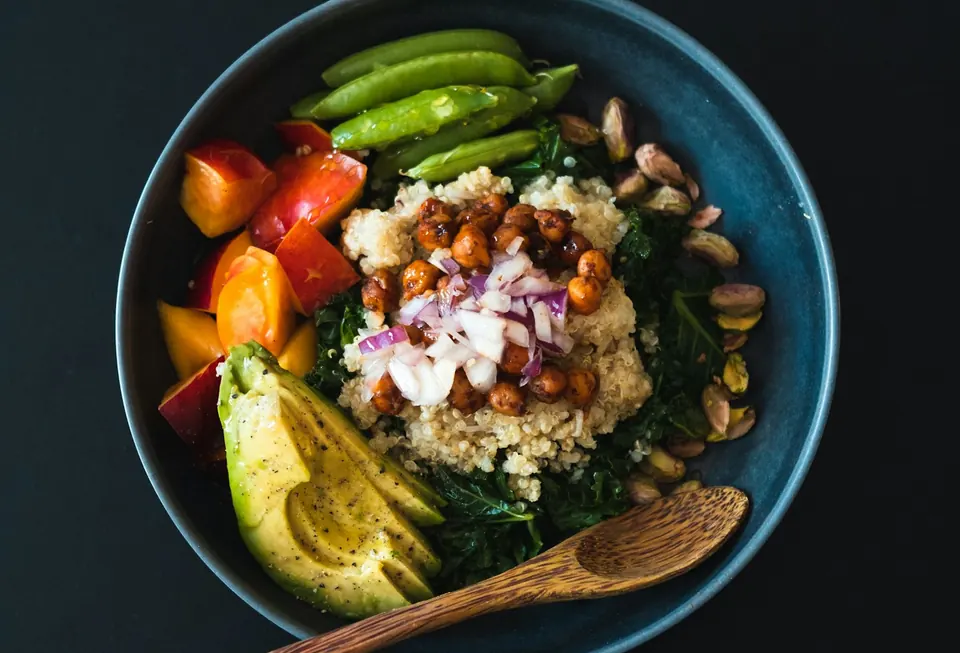
Easy meal planning starts with three decisions: what you already have, which evenings need a quick dinner and what you can realistically cook. Plan three dinners around that information, write down the missing ingredients and give leftovers a place on the calendar.
That is enough to get started. You can add more meals later if it helps. A useful plan should survive a late meeting or a change of appetite without sending the whole week back to the drawing board.
Look in the kitchen before opening a shopping app
Check the refrigerator, freezer and pantry. Choose a few ingredients you can build meals around, then check their labels, storage instructions and condition. Do not treat a meal plan as proof that food is still safe to eat.
Make a short “use first” list. It might contain part of a bag of spinach, an opened jar of sauce and a package of tortillas. Keep it somewhere you will see before choosing dinner. If your kitchen is hard to navigate, start with the small-area approach in our home-organization guide.
USDA’s meal-planning tips recommend checking foods you already own, considering your schedule and making a grocery list. The three-dinner approach below is one way to put those habits into practice.
Choose three dinners that share useful ingredients
Start with meals you know how to make or recipes with clear instructions. Pick one quick option, one meal for an evening with more time and one flexible dinner. Repeating an ingredient can simplify shopping without requiring you to eat an identical plate every night.
Here is an illustrative plan, not a set of tested recipes or a personalized nutrition plan. Adjust ingredients and portions for your household, food allergies and dietary needs.
| Dinner | Starting ingredients | What changes |
|---|---|---|
| Rice and bean bowls | Rice, beans, peppers, spinach | Add the sauce or seasoning you prefer. |
| Vegetable and bean wraps | Tortillas, beans, peppers, spinach | Use a different filling mix and a familiar recipe. |
| Pantry pasta | Pasta, tomato sauce, spinach | Add other suitable ingredients already on hand. |
Keep flavorings and preparation practical. If one dinner requires six new ingredients that you will not use again, it may not belong in this particular plan. A meal can be a good recipe and still be a poor fit for a busy Tuesday.
Turn the plan into a grocery list
Write down what each dinner requires, cross off what you already have and combine repeated items. Put quantities beside the remaining ingredients. “Peppers for two dinners” is more useful at the store than “vegetables.”
- Check how many people will actually eat each dinner.
- Account for planned lunches or leftovers rather than hoping the quantities will work out.
- Consider storage space before choosing a larger package.
- Keep one convenient backup meal you already know how to prepare.
Leave room for the rest of your household’s meals and snacks; a dinner list is not the whole grocery budget. If you want to see how shopping fits your pay schedule, use our simple bill-calendar budget alongside the meal plan.
Give each dinner a realistic evening
Put the quickest dinner on the busiest night. Reserve the meal with more preparation for a time you actually have available. Then decide where leftovers could fit, while respecting safe storage times.
Separate planning from cooking instructions. A calendar can tell you that you are making a casserole; it cannot tell you that the center has reached a safe temperature. Use a reliable recipe and a food thermometer when appropriate, especially when the technique or ingredients are unfamiliar.
Make the backup easy to recognize. “Freezer dinner if Wednesday runs late” is a complete decision. It is more helpful than leaving an empty square and expecting yourself to become inventive at the end of a long day.
Make safe storage part of dinner
According to USDA’s leftover-handling guidance, refrigerate perishable leftovers promptly and within two hours, or within one hour when temperatures are above 90°F. Divide food into shallow containers and keep the refrigerator at 40°F or below. Use properly refrigerated leftovers within three to four days, or freeze them for longer storage.
Label the container with the contents and date. If you already know you will not use the food within its refrigerated storage window, plan to freeze it promptly rather than leaving that decision until later.
USDA advises reheating leftovers to 165°F throughout and checking with a food thermometer. For microwave reheating, cover and stir or rotate the food as appropriate, then check several places. A warm edge does not tell you the temperature in the center.
Questions that come up in a real week
Do I need to cook all three dinners in advance?
No. This is a planning method, not a requirement to batch-cook. Prepare only what you can handle and store safely. Choosing the dinners and buying the right ingredients can be useful on its own.
What if the plan changes halfway through?
Check the most perishable ingredients first, then rearrange the remaining dinners. Use or freeze suitable food within safe limits. Keep a note of why the plan changed so the next version fits your week better.
Sources & further reading
The sample dinners are planning examples, not tested recipes or individualized nutrition advice.